Water Tank Cleaning: Before and After
Real photos taken by our team on recent overhead tank jobs in Delhi NCR — what was inside before cleaning, and what the tanks looked like when we finished.
CHKACHK team3 min read
Most people never look inside their rooftop tank. The water from the tap looks clear, so the tank must be fine. These photos show why that isn't a safe assumption.
Real photos from our jobs
What we find inside — and how we leave it
Before cleaning6 photos
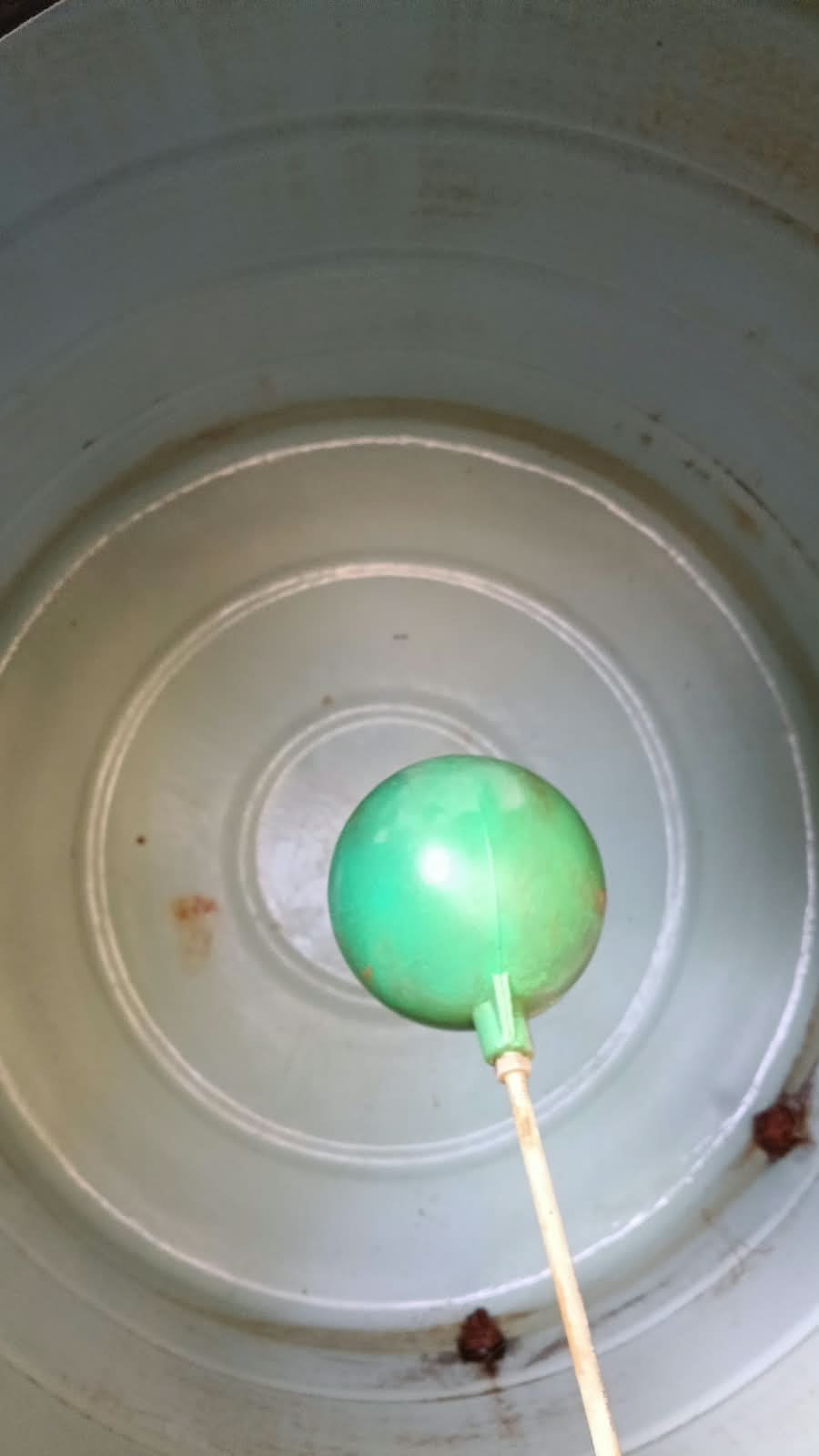
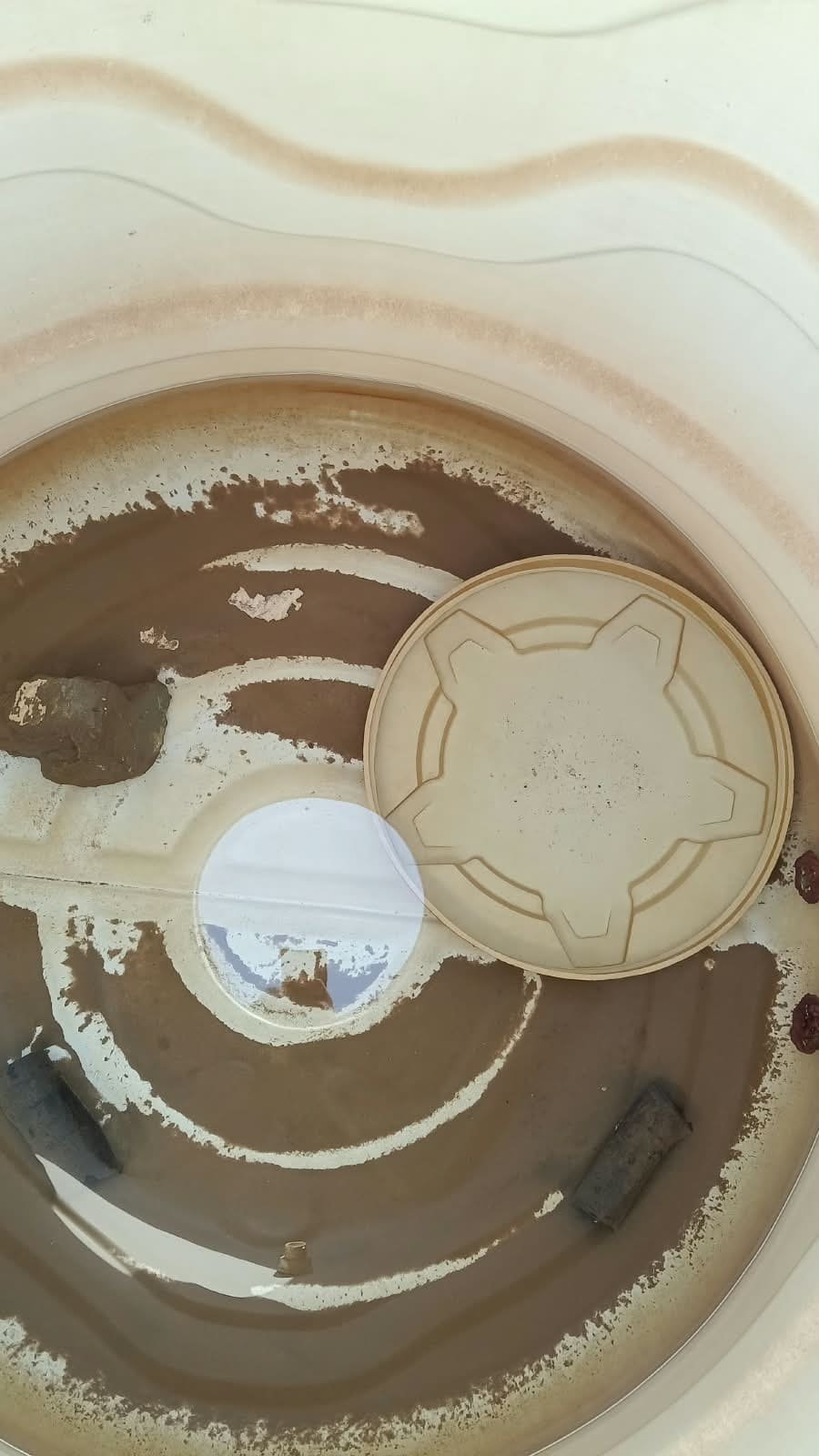
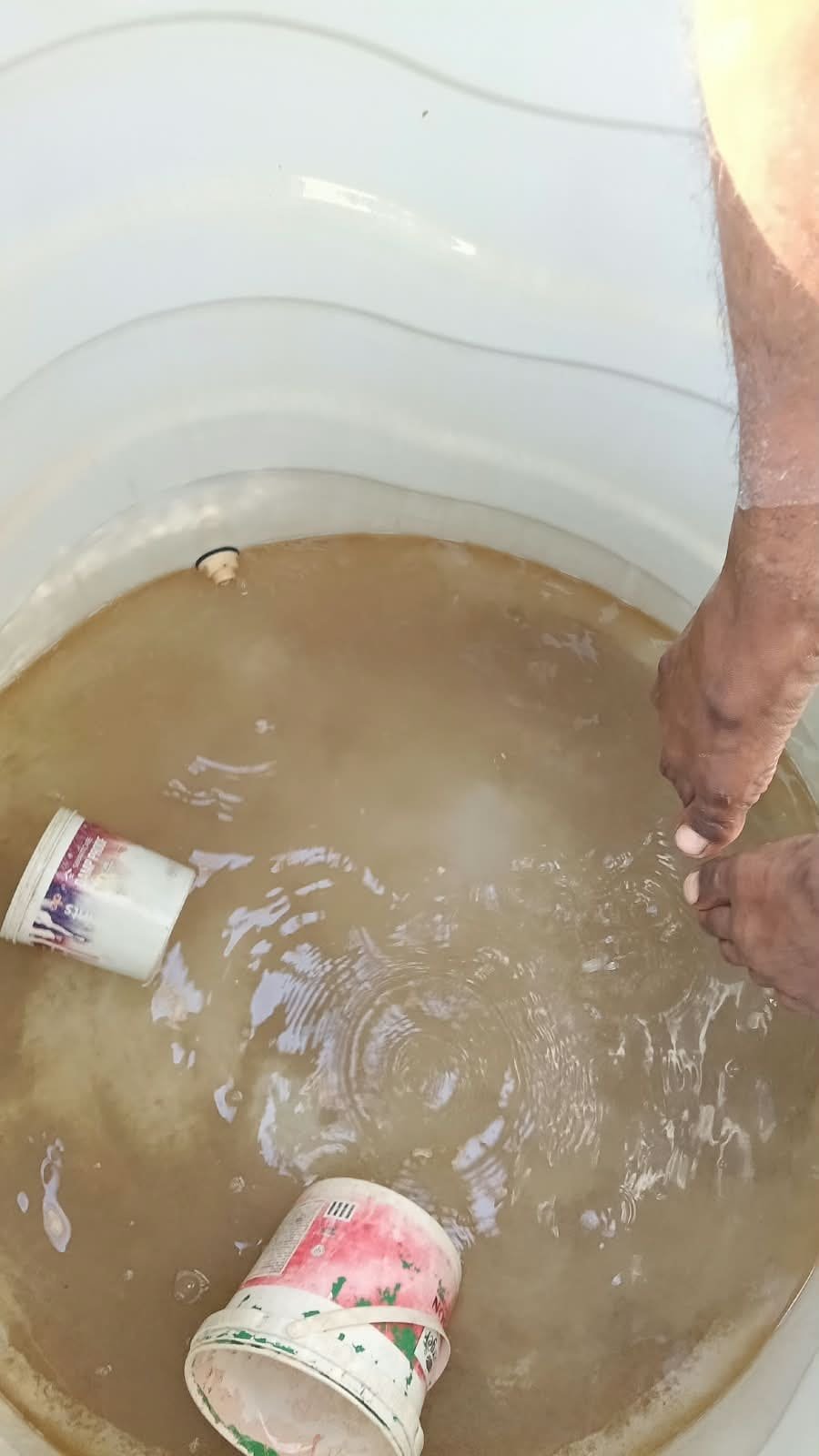
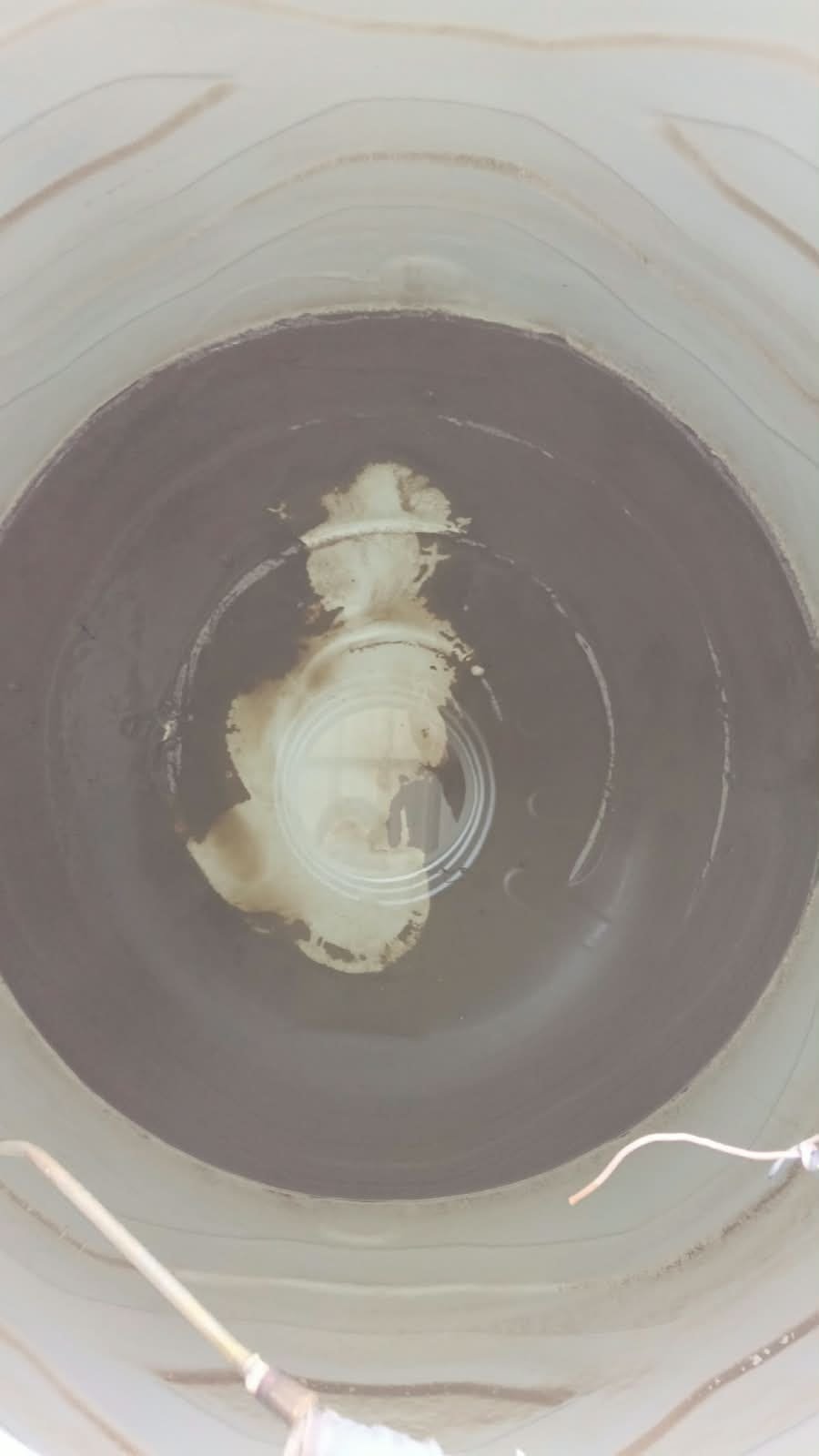
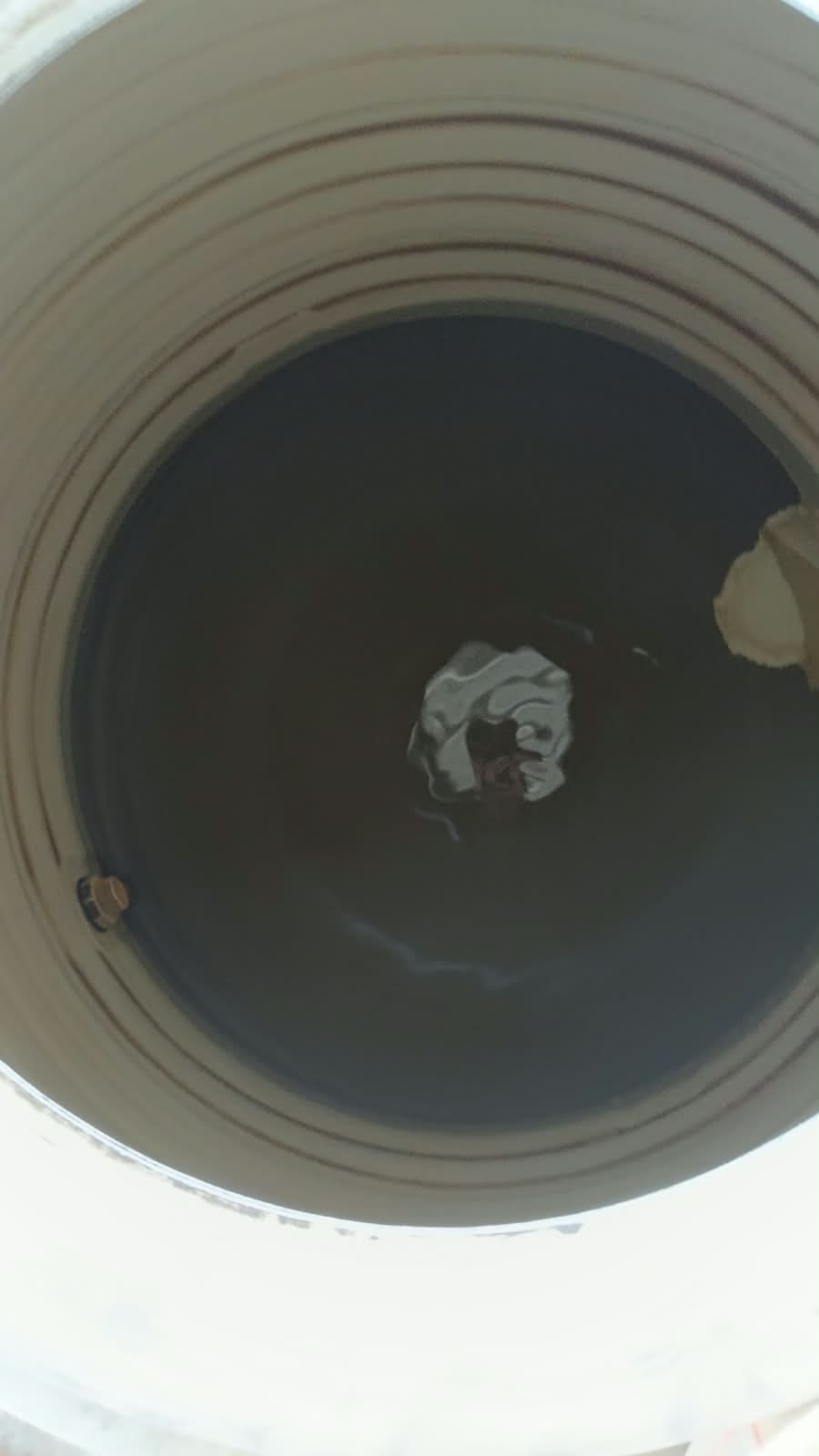
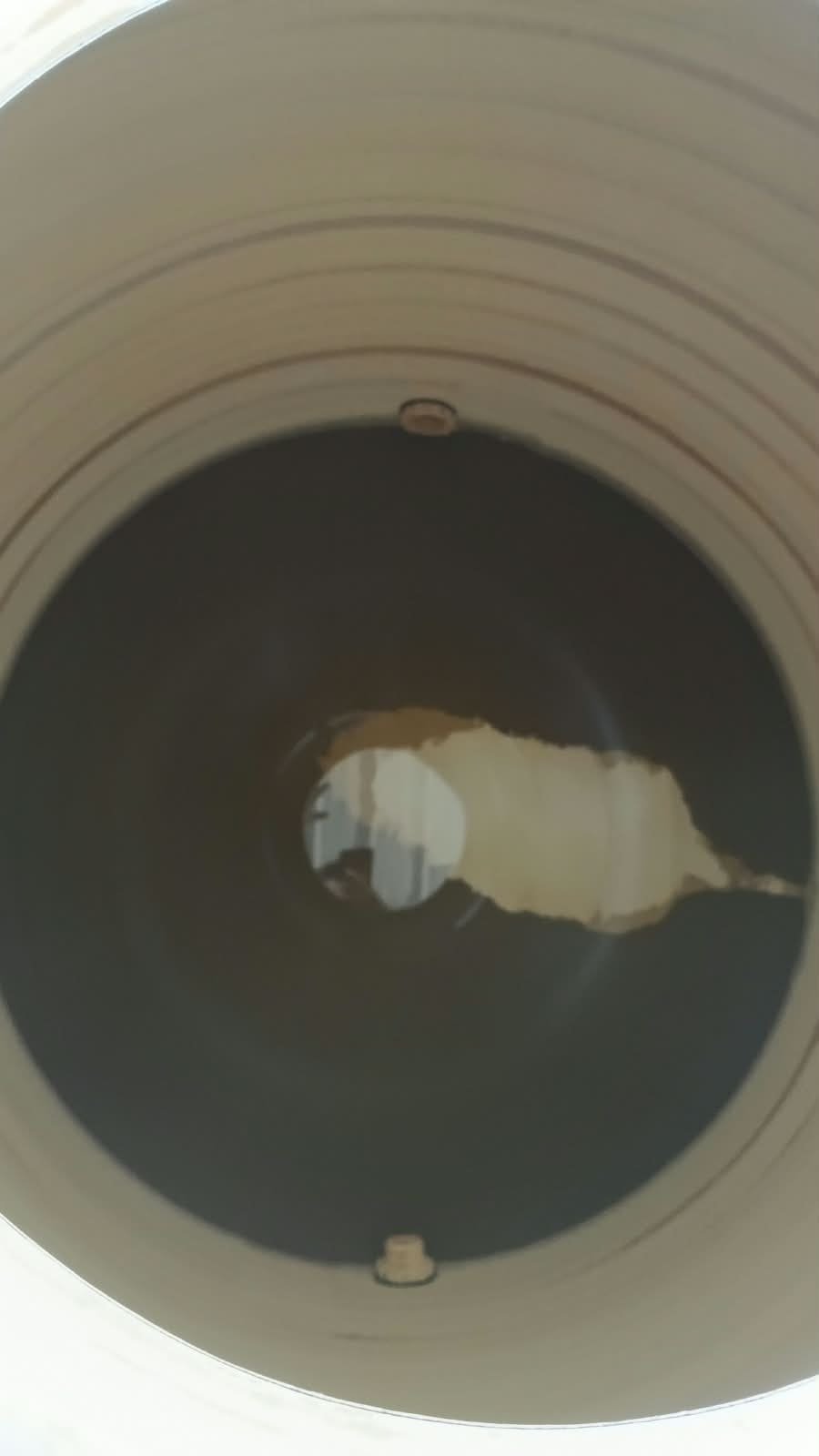
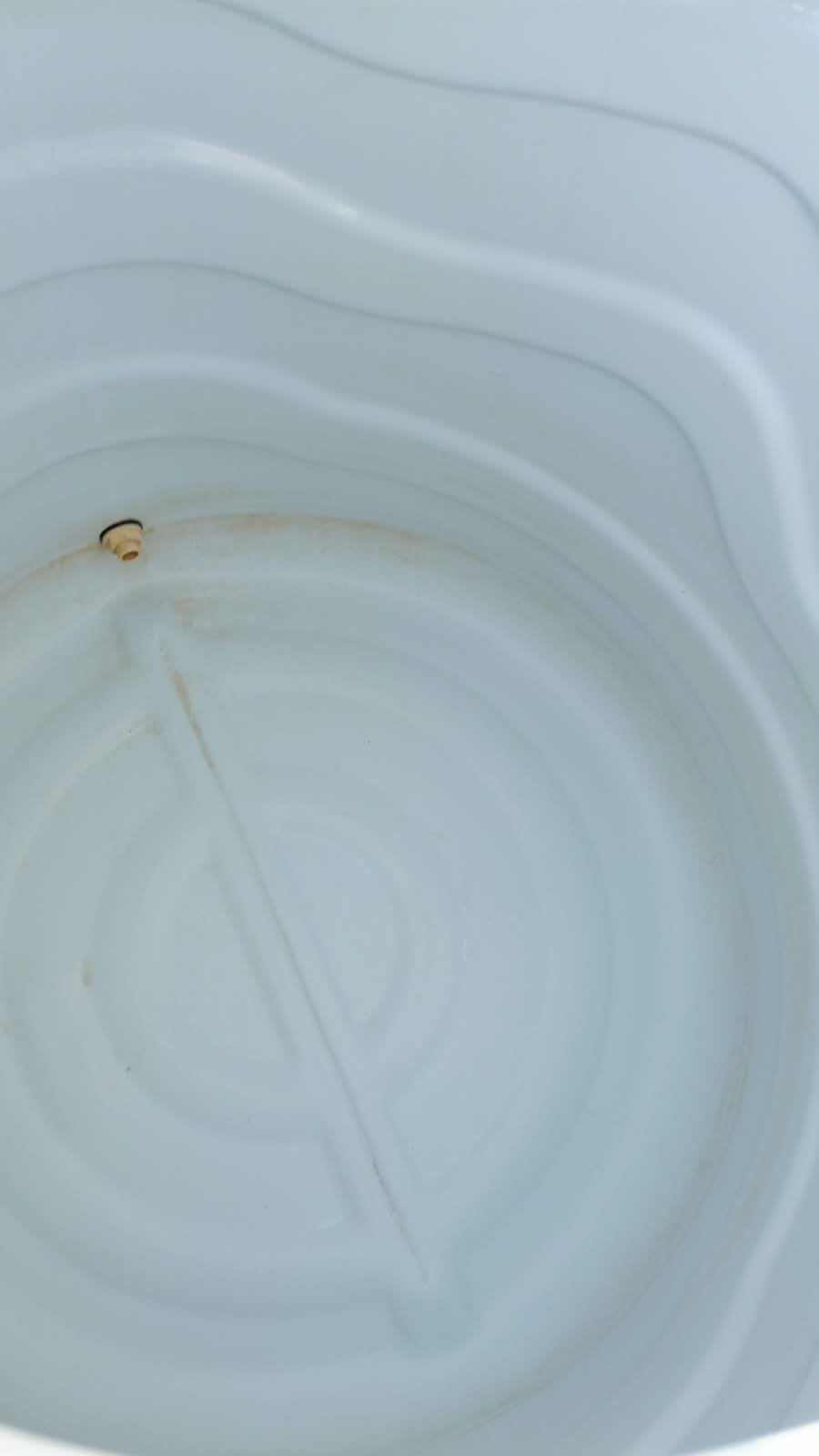
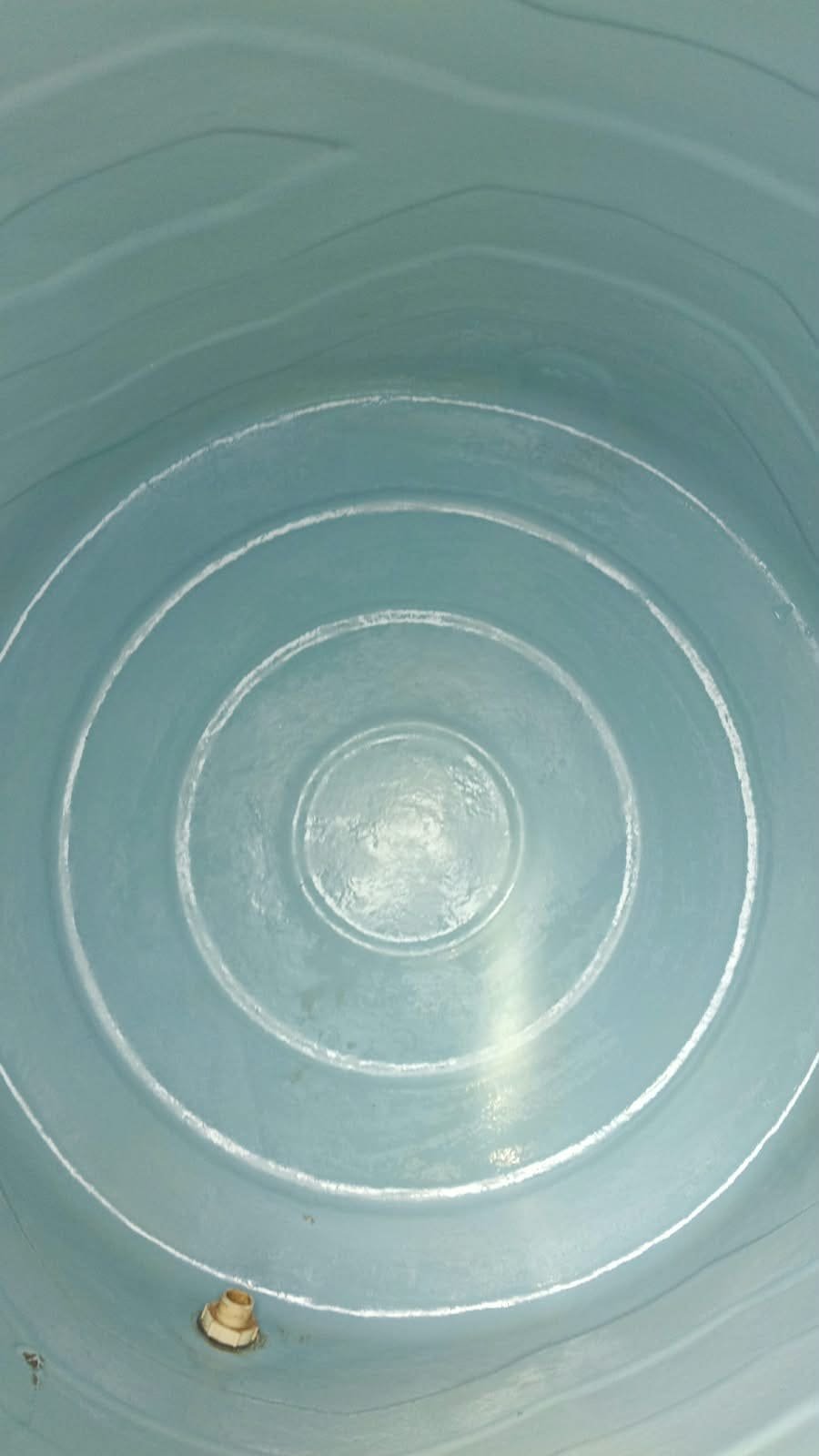
After cleaning6 photos




Photos taken by our team on recent jobs in Delhi NCR. Before and after photos are examples and may be from different tanks. Tap a photo to enlarge.
What the "before" photos show
Sludge on the floor. Fine silt in Delhi's municipal and borewell supply settles to the bottom of the tank. Over months it builds into a soft brown or black layer — in several of these tanks it covered the whole floor. Every time the water level drops low, that layer is stirred up and sent towards your taps.
Dark, cloudy water at the bottom. When we open a tank and lower the water, the last few inches are often grey or black. This is the water closest to the outlet.
Rust-coloured spots. Iron in the supply and corroding fittings leave orange-brown deposits, especially around the float valve and outlet.
None of this is unusual. It's what an overhead tank looks like after six to twelve months without cleaning.
What we did
Each tank went through our standard process: we drained it, removed the sludge by hand, scrubbed the floor and walls, vacuumed out the dirty water, disinfected the surfaces and rinsed. See the full water tank cleaning process for each step.
Underground tanks (sumps)
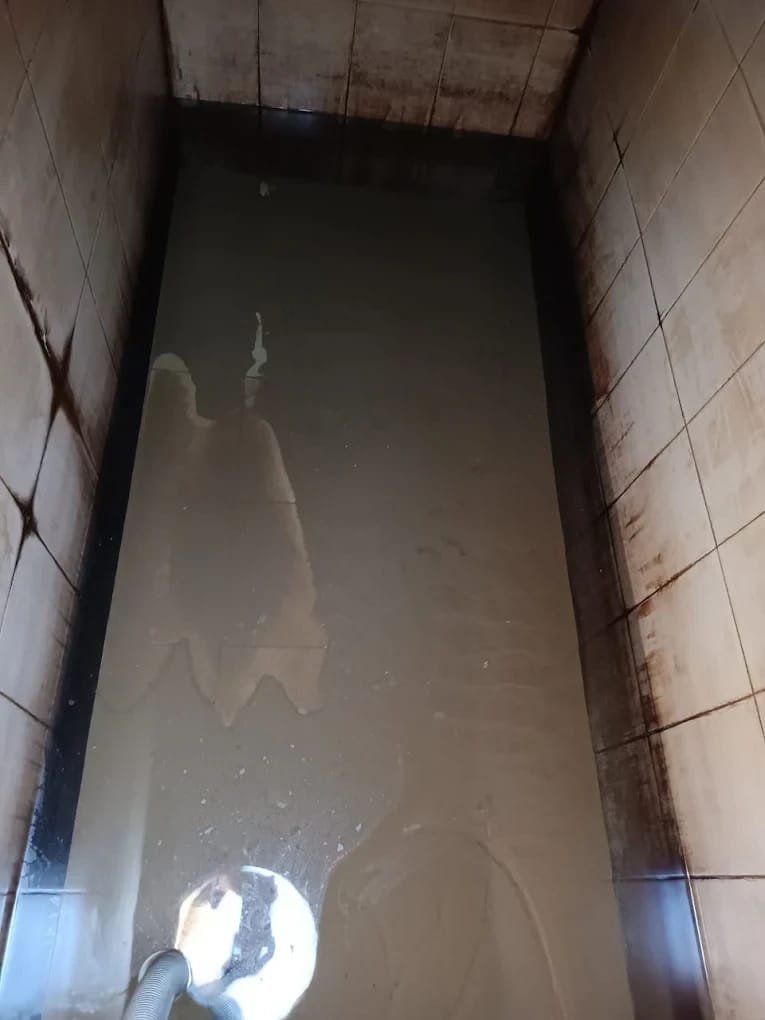
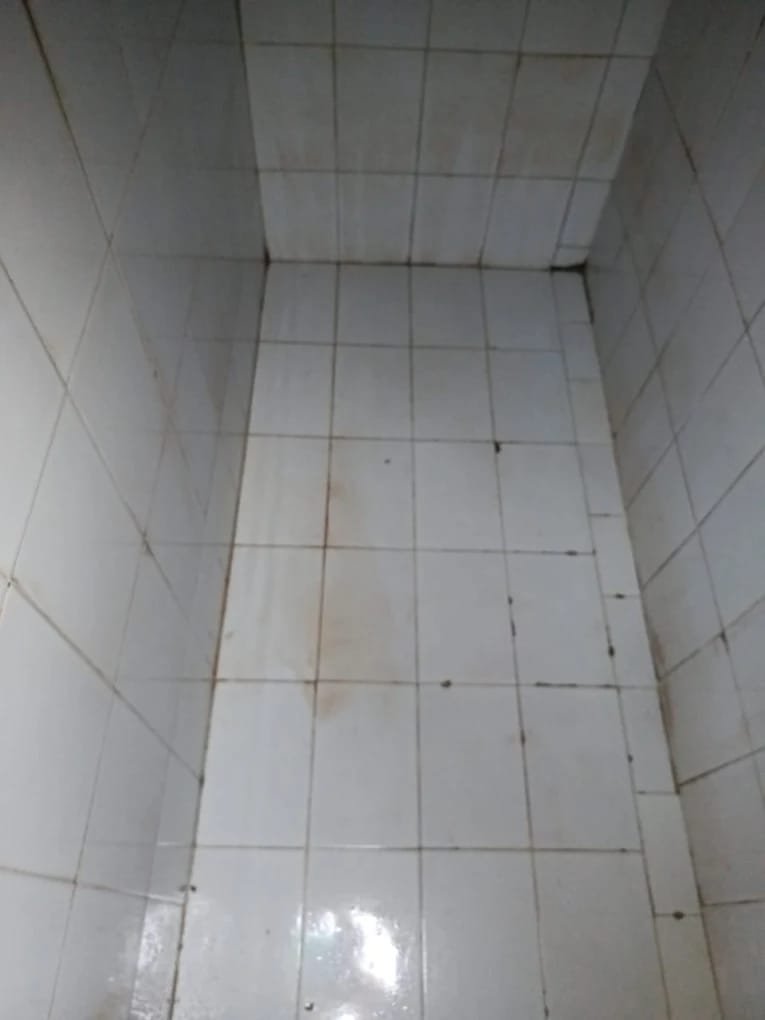
Underground tanks collect even more silt, because water rests there first. In tiled sumps like the one below, mud settles on the floor and stains build up in the tile joints.
Real photos from our jobs
Underground tank: before and after
Before cleaning1 photos
After cleaning1 photos
Photos taken by our team on recent jobs in Delhi NCR. Before and after photos are examples and may be from different tanks. Tap a photo to enlarge.

What the "after" photos show
Clean ribbed walls, a clean floor with no sediment, and clear fittings. That's the standard we aim to leave every tank in — and we send you before and after photos of your own tank on WhatsApp so you can see it for yourself.
How often should you clean?
For most Delhi homes, every six months is sensible; sooner if you notice smell, cloudiness or silt in a bucket. Our guide on how to remove sludge from a water tank explains the warning signs.
Want to see inside your own tank?
Book a cleaning and we'll send you before and after photos on WhatsApp.

What to look for in your own photos
Compare the tank floor (sludge gone?), the walls and corners (no green or black film?), the underside of the lid and the area around the inlet. These are the places dirt builds up first — and the places a quick rinse misses.
Frequently asked questions
Are these real photos?
Will I get photos of my own tank?
Why is there sludge if the water looks clear?
Related pages
- ProcessProcessOur 5-step water tank cleaning process: drain, vacuum sludge, scrub & pressure-wash, disinfect, photo proof. What happens at each step and why the order matters.Read more
- GuideRemove sludgeWhere water tank sludge comes from, why you shouldn't flush it through your taps, how it's removed safely, and how to slow it from building up again.Read more
- ServiceOverhead tanksRooftop & overhead water tank cleaning in Delhi NCR. Plastic, Sintex & concrete tanks up to 10,000 L. Fixed prices from ₹499. Book online.Read more
- PricesPricesWater tank cleaning price in Delhi NCR: overhead from ₹499, underground from ₹799. Up to 15% multi-tank discount. Full price list.Read more
- BookingBook onlineBook water tank cleaning online in 2 minutes: add your tanks, check your PIN code, choose a slot. Pay online or after service. Same-day slots when available.Read more
Ready for a properly clean tank?
Add your tanks, check your PIN code and request a slot online. Pay online or after the job — whichever suits you.